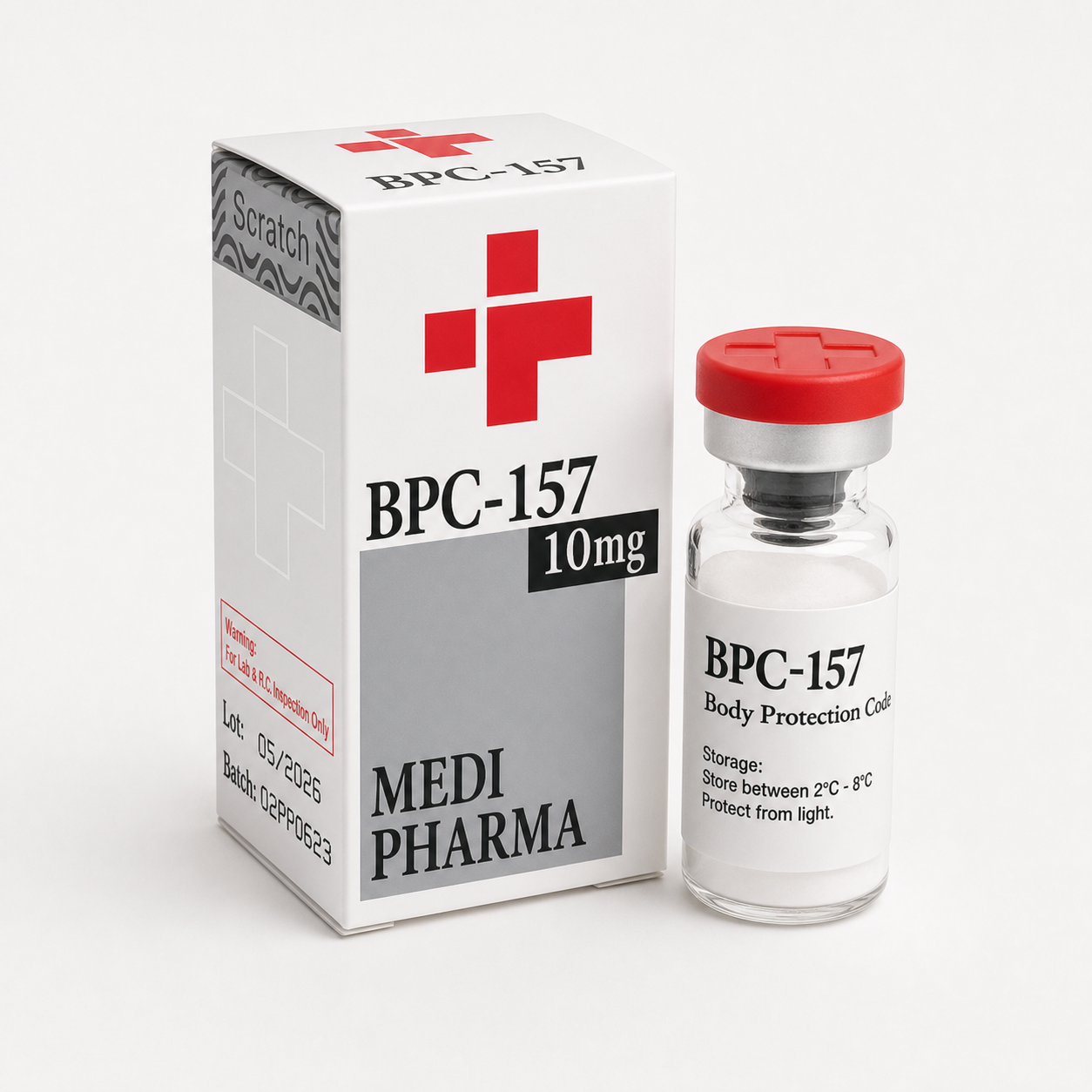

Description
### BPC-157 (BPC-157) for Injection
**HIGHLIGHTS OF PRESCRIBING INFORMATION**
These highlights do not include all the information needed to use BPC-157 safely and effectively. See full prescribing information for BPC-157.
BPC-157 injection, for subcutaneous or intramuscular use
**INDICATIONS AND USAGE**
BPC-157 is a peptide indicated for investigational use in accelerating healing of tendons, ligaments, muscles, and gastrointestinal tissues, reducing inflammation, and supporting recovery. Not approved for human therapeutic use in many jurisdictions; consult local regulations (1).
**DOSAGE AND ADMINISTRATION**
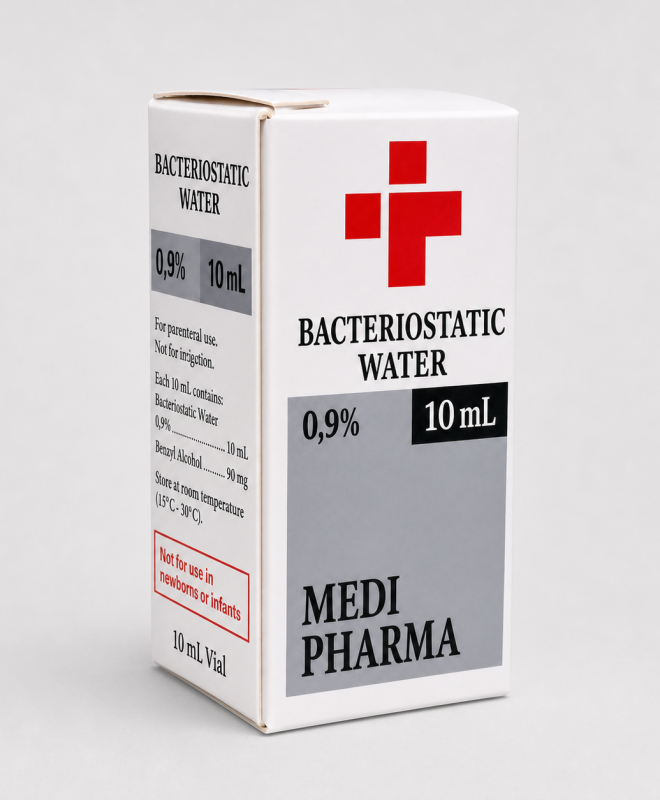
– Reconstitute lyophilized powder with bacteriostatic water.
– Adults (males and females): 200 mcg to 500 mcg per day, administered in one or two divided doses (2.1).
– Cycle duration: Typically 4 to 6 weeks or as needed for recovery.
**DOSAGE FORMS AND STRENGTHS**
Lyophilized powder: 10 mg per vial (3).
**CONTRAINDICATIONS**
– Hypersensitivity to BPC-157 or any component of the formulation (4).
– Active malignancy due to potential angiogenic effects (4).
**WARNINGS AND PRECAUTIONS**
– Immunogenicity: Potential for antibody formation; monitor for allergic reactions (5.1).
– Injection site reactions: Monitor for irritation or swelling (5.2).
– Limited long-term safety data: Use cautiously in chronic conditions (5.3).
**ADVERSE REACTIONS**
Common adverse reactions include mild nausea, dizziness, and injection site pain (6).
**DRUG INTERACTIONS**
– Anti-inflammatory agents: May alter effects; use cautiously (7.1).
**USE IN SPECIFIC POPULATIONS**
– Pregnancy: Insufficient data; avoid use (8.1).
– Lactation: Excretion unknown; not recommended (8.2).
– Pediatric use: Safety not established (8.4).
– Geriatric use: Monitor for organ dysfunction (8.5).
Revised: 08/2025
**FULL PRESCRIBING INFORMATION**
**1 INDICATIONS AND USAGE**
BPC-157 is indicated for investigational use in adults to promote tissue repair, reduce inflammation, improve gastrointestinal health, enhance angiogenesis, and support nervous system recovery. It is commonly used for injury recovery, gut health, and tissue repair in athletes and those with chronic conditions. This product is not approved for clinical use and should be administered under medical supervision.
**2 DOSAGE AND ADMINISTRATION**
**2.1 Recommended Dosage**
Reconstitute 10 mg vial with 1-2 mL bacteriostatic water. Administer subcutaneously or intramuscularly, preferably near the site of injury if applicable.
– Adults (males and females): 200 mcg to 500 mcg daily, in one or two divided doses.
– Cycle duration: 4 to 6 weeks or as needed for healing. Adjust based on response and tolerance. Discontinue if adverse effects occur.
**2.2 Preparation and Handling**
Use sterile technique to reconstitute and draw doses. Inspect reconstituted solution for clarity; do not use if discolored or particulate matter is present.
**3 DOSAGE FORMS AND STRENGTHS**
Supplied as lyophilized powder containing 10 mg BPC-157 per single-use vial.
**4 CONTRAINDICATIONS**
BPC-157 is contraindicated in:
– Patients with known hypersensitivity to BPC-157 or excipients (e.g., mannitol).
– Patients with active malignancy due to potential promotion of angiogenesis, which may exacerbate tumor growth.
**5 WARNINGS AND PRECAUTIONS**
**5.1 Immunogenicity**
As a synthetic peptide, BPC-157 may induce antibody formation, potentially leading to hypersensitivity reactions such as rash or anaphylaxis. Monitor for signs of allergic response and discontinue if severe reactions occur.
**5.2 Injection Site Reactions**
May cause localized pain, redness, or swelling at the injection site. Rotate injection sites to minimize irritation and monitor for signs of infection or severe reactions.
**5.3 Limited Long-Term Safety Data**
Long-term effects in humans are not well-established; use with caution in patients with chronic conditions or for prolonged periods. Regular monitoring for unexpected effects is recommended.
**6 ADVERSE REACTIONS**
Reported adverse reactions include:
– Gastrointestinal: Mild nausea, abdominal discomfort.
– Nervous System: Dizziness, headache, fatigue.
– Local: Injection site pain, erythema, or swelling.
Serious reactions are rare but may include hypersensitivity responses such as anaphylaxis.
**7 DRUG INTERACTIONS**
**7.1 Anti-Inflammatory Agents**
Concurrent use with anti-inflammatory agents or other peptides affecting angiogenesis may alter BPC-157’s effects. Monitor for unexpected interactions and adjust therapy as needed.
**8 USE IN SPECIFIC POPULATIONS**
**8.1 Pregnancy**
No adequate studies in pregnant women; potential risks to the fetus are unknown. Avoid use during pregnancy.
**8.2 Lactation**
Excretion in breast milk is unknown; breastfeeding is not recommended due to potential risks to the infant.
**8.4 Pediatric Use**
Safety and efficacy not established in pediatric patients; use is not recommended.
**8.5 Geriatric Use**
Limited data available; monitor for age-related organ dysfunction, particularly renal or hepatic impairment.
**9 DRUG ABUSE AND DEPENDENCE**
No evidence of abuse or dependence potential with BPC-157, but misuse for performance enhancement may occur. Monitor for inappropriate use.
**10 OVERDOSAGE**
No specific data on overdose; symptoms may include exaggerated side effects such as nausea or dizziness. Treat symptomatically and discontinue use immediately.
**11 DESCRIPTION**
BPC-157 is a synthetic pentadecapeptide derived from human gastric juice protein, designed to promote tissue repair and anti-inflammatory effects. It is supplied as a white lyophilized powder, soluble in bacteriostatic water for injection. Each vial contains 10 mg BPC-157, with mannitol as a stabilizer. Half-life: Approximately 4 hours. Note: Ethyl oleate and ricinus oil are not used in this formulation, as it is water-based.
**12 CLINICAL PHARMACOLOGY**
**12.1 Mechanism of Action**
BPC-157 modulates growth factors, reduces oxidative stress, and promotes healing through multiple pathways, including angiogenesis, anti-inflammatory effects, and tissue regeneration.
**12.3 Pharmacokinetics**
Rapidly absorbed after subcutaneous or intramuscular injection; short half-life of approximately 4 hours; metabolized and excreted rapidly, primarily via urine.
**13 NONCLINICAL TOXICOLOGY**
Limited data available; animal studies suggest low toxicity but potential angiogenic effects that could promote tumor growth in susceptible models. No human carcinogenicity data available.
**16 HOW SUPPLIED/STORAGE AND HANDLING**
10 mg lyophilized powder in single-use vials. Store refrigerated at 2°-8°C (36°-46°F). Reconstituted solution stable for up to 14 days refrigerated. Protect from light. Keep out of reach of children.
*Manufactured by: Medi Pharma*